
The short answer.
- Compare complete rates for the same room and all guest ages; check exactly whose breakfast is included.
- Divide the rate premium by the mornings you will actually use, rather than automatically by every night booked.
- Free lounge access, bed-sharing permission and a kitchen listing each answer different questions; none establishes breakfast coverage.
A property example for this guide.
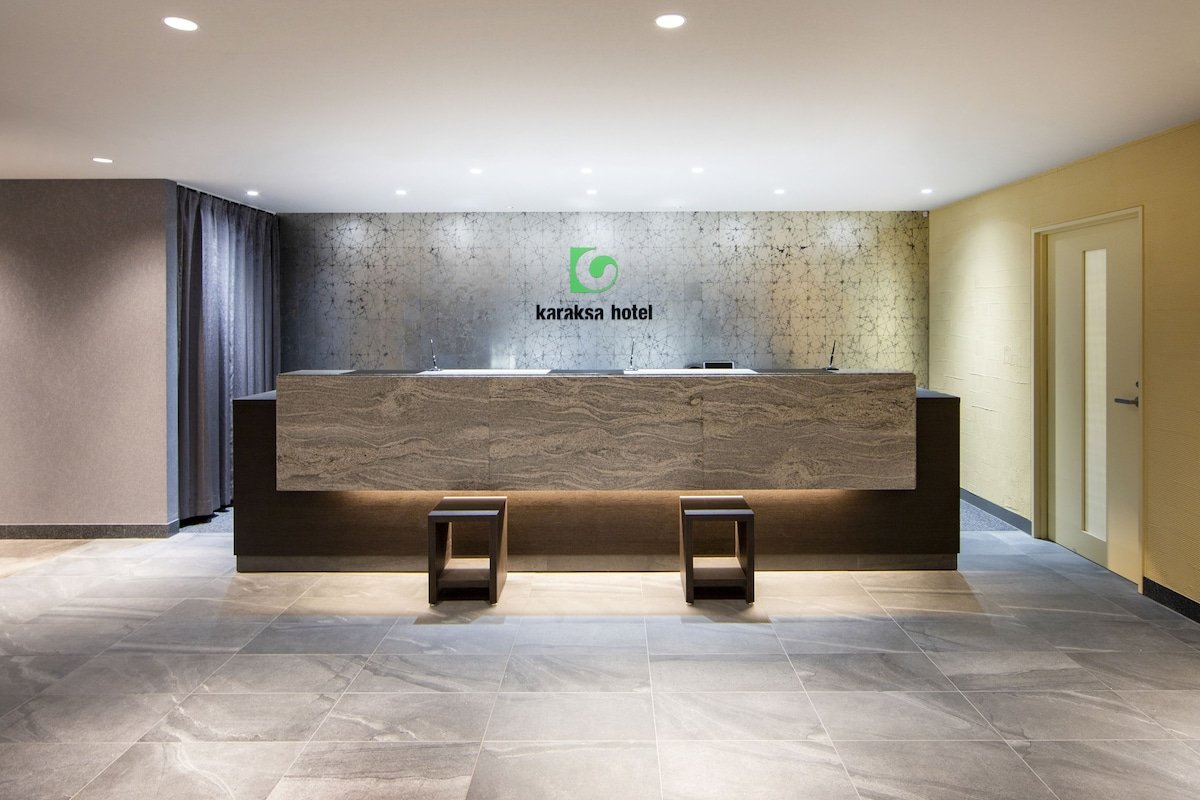
karaksa hotel TOKYO STATION is one of the room profiles linked below. This photo shows the property, not a verified room layout or equipment.
Start with the mornings you will actually eat at the hotel.
An included breakfast can simplify a family morning: everyone eats in one place, and you leave without searching for a table. It has less value on a day when you need to catch an early train, prefer to sleep late, or already plan to eat elsewhere. Decide how many hotel breakfasts you expect to use before comparing rates.
Next choose what you want the meal to solve. A convenient place to sit, a substantial buffet and a quick drink with something small are different needs. Match the offer to your actual routine rather than paying for the most elaborate option by default.
Two similarly named hotels have different breakfast terms.
The official facilities page for karaksa hotel TOKYO STATION lists a ticketed light buffet at ¥1,000 including tax, from 07:00 to 09:30 with last entry at 09:00. Its free drinks later in the day are a separate service.
At karaksa hotel colors Tokyo Yaesu, the official COLORS STYLE page lists ticketed breakfast at ¥2,200, from 07:00 to 10:00 with last entry at 09:30. Guest lounge access excludes breakfast and alcohol. These are published examples checked on 5 October 2026, not a quote for your booking.
Neither of these pages explains every child-price band. Do not assume an infant, school-age child and teenager all receive the same price or inclusion. Use the exact property name when asking. The similar brand names make it easy to read one hotel’s dining page while selecting the other hotel’s room.
Published facts: karaksa hotel TOKYO STATION: breakfast and facilities · karaksa hotel colors Tokyo Yaesu: breakfast and lounge terms
Ask who the breakfast-inclusive rate actually covers.
Enter all adults and children, with ages at check-in, before selecting a meal plan. Then look for the meal description attached to that specific rate. A room search that accepts four guests may still display breakfast coverage for fewer people. A child sharing a bed is an occupancy arrangement; it does not by itself establish a dining entitlement.
If the wording is incomplete, ask the booking provider or hotel which guests receive breakfast, which dates are covered and how any additional child meals are paid. Save the answer with the rate description. This lets you compare the same family total rather than a breakfast-inclusive headline against a room-only total.
Check cancellation and payment terms at the same time. If one offer is refundable and the other is prepaid with a different deadline, their price difference is not solely the cost of breakfast. First find equivalent booking conditions, or record the difference explicitly.
| Check | What the answer should identify | Why it changes the comparison |
|---|---|---|
| Guests covered | Every included adult and child, by age | Avoid adding unexpected child charges after selecting the rate |
| Dates covered | Each breakfast morning, including departure day | A meal after your departure has no practical use |
| Hours and last entry | The breakfast window for this property | A breakfast ticket does not extend the opening hours |
| Rate conditions | Same room, taxes, payment and cancellation terms | The total premium may include more than meals |
| Special requirements | A written response about the actual menu or arrangements | A buffet description alone cannot confirm suitability |
Calculate the premium per usable family breakfast.
Use the complete stay totals in the same currency. Subtract the comparable room-only total from the breakfast-inclusive total, then divide that difference by the number of mornings you expect to eat at the hotel. That gives the premium per usable family breakfast, provided the inclusive rate covers everyone.
For a hypothetical five-night stay, suppose a room-only rate is ¥150,000 and the equivalent rate with breakfast is ¥170,000. The premium is ¥20,000. If the family will use three breakfasts, the premium is about ¥6,667 per family breakfast. These figures are an illustration of the calculation, not current hotel prices.
Compare that result with a real quote for buying the same meals separately, including any child prices. Also consider the convenience you personally value. A small premium can be acceptable for removing an awkward morning task. If the premium is large and your family prefers a simple meal, a room-only option may leave more of the budget for the trip.
| Item | Illustrative amount | How to use it |
|---|---|---|
| Comparable room-only stay | ¥150,000 | Include the same room, guests, dates and conditions |
| Breakfast-inclusive stay | ¥170,000 | First confirm breakfast covers the whole family |
| Stay premium | ¥20,000 | ¥170,000 minus ¥150,000 |
| Three usable breakfasts | About ¥6,667 per family morning | ¥20,000 divided by 3; rounded to the nearest yen |
| Five usable breakfasts | ¥4,000 per family morning | Only use this denominator if all five fit your plan |
An apartment breakfast needs its own small plan.
MIMARU’s official FAQ says it does not provide breakfast service. If you choose an apartment-style stay, plan your first morning separately instead of expecting a restaurant to be included.
For a meal in the room, decide what you actually need to prepare. Ready-to-eat food may need only plates and a place to sit; cooking needs suitable equipment. Check the named room’s refrigerator, microwave, cooking surface, cookware and tableware in its official description. A kettle alone is not evidence of a kitchen.
Plan when to buy food, especially after a late arrival. Leave enough time for shopping and washing dishes in your morning schedule. Compare a realistic grocery basket with paid breakfast, rather than assuming cooking is automatically cheaper. Buying ingredients for one short stay can create waste, while a longer stay may make the routine more useful.
Published facts: MIMARU official FAQ: breakfast service
Match the menu to the people eating, not the buffet photograph.
If your children prefer familiar food, establish whether the available options are enough for them before adding meals to every night. A large buffet is poor value when someone eats very little. Equally, a quick light breakfast may not suit the morning you have planned. Published menu examples can help you ask a precise question, but they are not a guaranteed daily selection.
For a dietary requirement, contact the dining venue about ingredients and the arrangements it can offer. Do not infer an allergy guarantee from a dish name, an English label or a general hotel description. If the venue cannot confirm what you need, choose a different meal arrangement before committing to a restrictive rate.
Ask practical seating questions if they matter to your party: whether high chairs are available, whether you can sit together and whether takeout is permitted. Treat those as requests needing an answer, rather than features supplied by every family-oriented hotel.
A mixed breakfast plan can be the better fit.
You do not have to choose one routine for the whole holiday. Where the hotel allows breakfast to be bought separately, you can price a few relaxed mornings at the hotel and use another arrangement on early days. Confirm whether advance tickets are required and whether meals can be added for selected dates.
Save a short meal check with your reservation.
Keep the exact property and room names, guest ages, meal coverage, dining hours and written replies with your selected rate. Do not transfer a direct-booking benefit to a third-party offer unless that offer includes it.
A useful message is: “We are two adults and two children aged 6 and 12, staying for five nights. Does this rate include breakfast for all four guests on every morning? What are the child charges if we buy breakfast separately, and can we buy tickets for selected dates?” Replace the example ages and dates with your own.
On arrival, check the current serving time and any ticket instructions. The published figures above are dated reference points. Your selected offer and the property’s current confirmation should determine what you pay and when you can eat.
Questions families ask.
Does a child who shares a bed automatically get free breakfast?
Do not assume so. Ask for the meal rules for that child’s age and the exact rate. Bed-sharing permission and breakfast coverage need separate confirmation.
Is a breakfast-inclusive rate always cheaper?
No. Compare equivalent full-stay rates, add any uncovered child meals, and count the breakfasts you can actually use. The calculation in this guide is hypothetical; you need your own live quotes.
Should I book an apartment hotel or a hotel with breakfast?
Start with a room that fits everyone’s sleeping needs. Then compare the cost and effort of the morning routine. Check actual cooking equipment for an apartment, or serving hours and guest coverage for a breakfast rate.
Sources and scope.
- karaksa hotel TOKYO STATION: breakfast and facilities
- karaksa hotel colors Tokyo Yaesu: breakfast and lounge terms
- MIMARU official FAQ: breakfast service
Hotel and transport conditions can change. This is a planning guide based on published information, not a promise of availability or a report of a personal hotel stay.
Ready to choose a room?
Compare our researched room profiles, then check your dates and guest ages on the booking page.